
A customer calls about a simple issue. The support agent opens the customer record, searches another system for the procedure, then checks with a colleague about the latest update. The customer waits between each step. The problem is not a lack of effort; it is that the information the agent needs is scattered across systems that do not talk to each other.
A capable support team does not need to memorise every answer. It needs trusted information at the right moment, context that travels with the conversation, and a clear next step. People and AI agents can work together here: AI handles repeatable requests and defined steps, while employees focus on cases that call for understanding and judgment.
The challenge is not more channels. It is lost context between them.
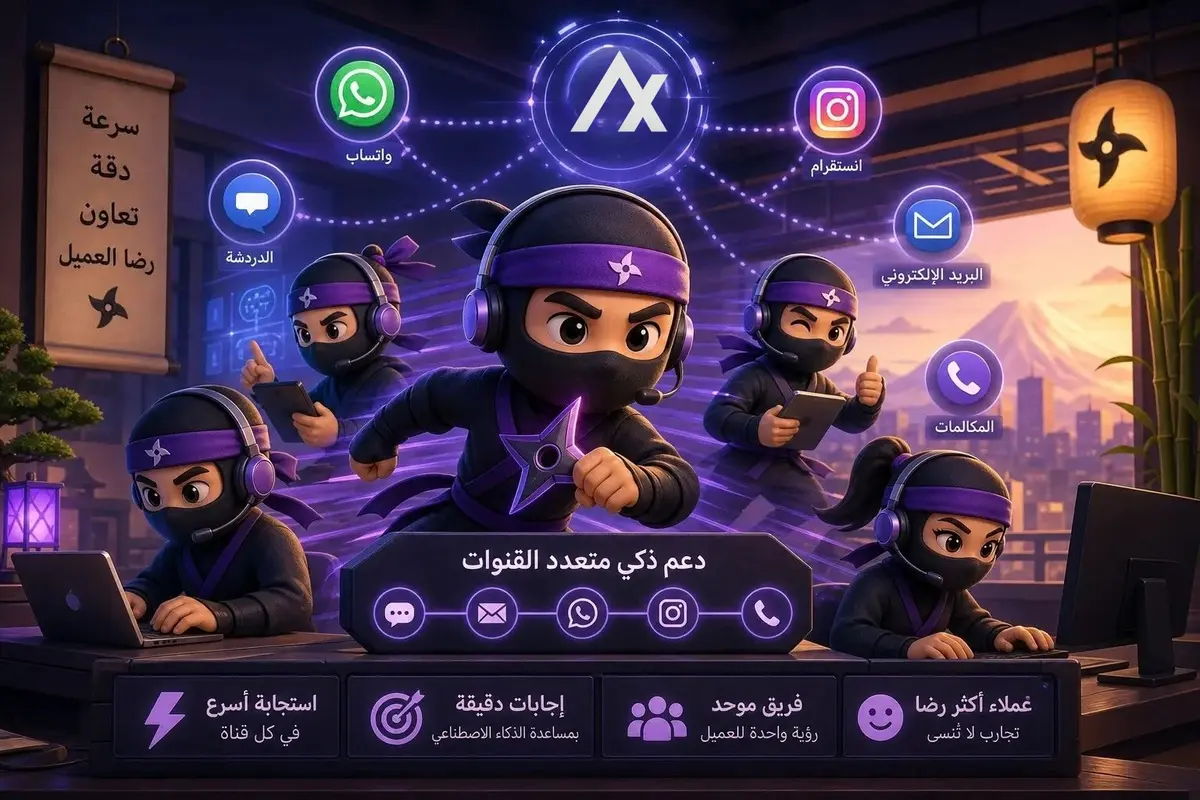
A customer may start with a call, send a photo on WhatsApp, then need a specialist. If each channel treats the request as a new conversation, the customer repeats the story and the team repeats its search. When channels are connected to interaction records and approved knowledge, the conversation can continue from where it stopped—subject to the systems and channels the organisation has configured.
Three steps toward a more capable support team
1. Find out where your team looks for answers
Map the sources your team actually uses: procedures, knowledge bases, customer data, request histories, and expertise that has not yet been documented. Ask which questions require repeated searches and where cases stall between teams. Bringing files together is not enough; information must be accurate, current, and approved for use.
2. Connect approved knowledge to conversation context
Employees and AI agents need the right reference within their respective permissions. AdamX Core can organise the shared knowledge and context that underpin the experience. That does not require replacing the CRM or operations systems already in place; the appropriate connection can be scoped around the interfaces available in each environment.
3. Design a useful outcome for the request
An answer is not always the end of a conversation. A customer may need an appointment, an order-status check, step-by-step help, or a human handoff. AdamX Agents handle the conversation, while Resolution Flows help govern the information and steps when a task follows a defined process. If a person needs to take over, they should receive the conversation and what has already happened.
From a call to WhatsApp: an illustrative journey
A customer calls because a device shows an alert they cannot describe. AdamX Connect receives and routes the call. AdamX Agents asks about the issue using approved knowledge. When words are not enough, the conversation can move to WhatsApp so the customer can share a photo through AdamX Lens. The photo is considered alongside what the customer has said; a suitable support step is then suggested, or the case goes to an employee with the image and the steps already tried.
This is an example of a journey that can be designed, not a promise that every channel or action works automatically in every organisation. Delivery depends on the connections, controls, and permissions configured for that environment.
Leave the work that needs expertise to your people
When the right knowledge appears and context travels with the request, employees do not have to start over. They can review exceptions, understand sensitive cases, and make decisions that need an accountable person. Agent Assist, where configured, can surface relevant information during an interaction—not to replace the employee, but to help them focus.
To see whether the change helps, measure it in your own environment: time spent searching for information, how often customers have to explain a request again, handoff quality between channels and teams, and time to reach a resolution step. A decision needs a baseline and a result you can review, not an assumed marketing number.
Start by diagnosing one customer journey
Choose a recurring request and trace how it arrives, where its answer lives, and who takes the next action. Then identify the knowledge the team needs, what an AI agent can handle, and when a person should step in. That is a practical start for a support team that spends less time searching and more time getting work done.